


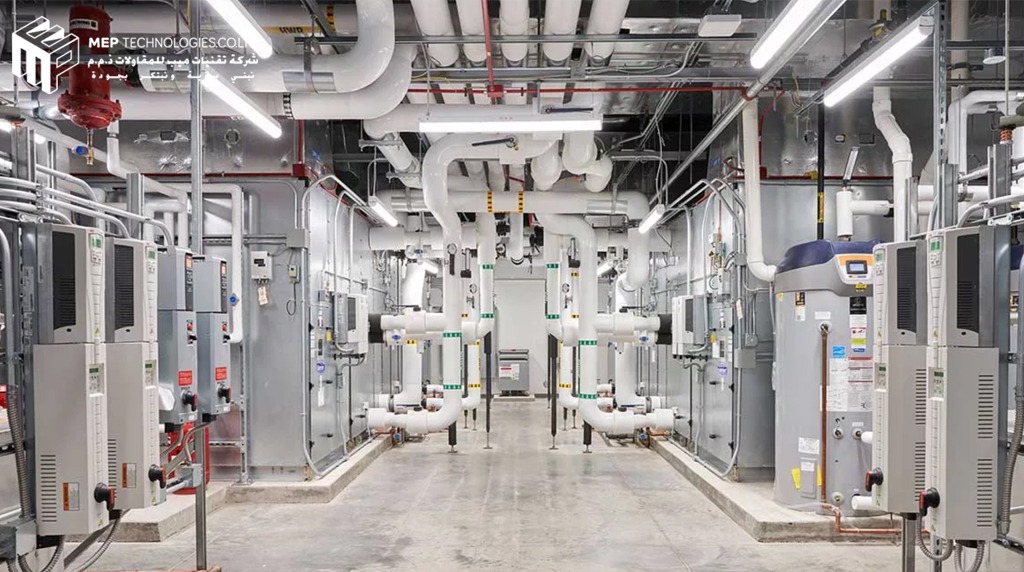
What Are the Key Components of a Complete MEP System in Construction?
 Understanding the MEP Framework
MEP stands for Mechanical, Electrical, and Plumbing engineering. These three disciplines overlap in design and installation, forming the backbone of any residential, commercial, or industrial project.
 1. Electrical Systems: Powering Growth
Electrical engineering in MEP ensures that a building remains powered, safe, and connected. Beyond simple wiring, it involves complex distribution and protection.
Power Distribution: High-tension and low-tension networks, including main and sub-electrical panels.
Lighting Systems: Energy-efficient indoor/outdoor lighting designed for performance and aesthetics.
Emergency Power: Backup generators and Uninterruptible Power Supply (UPS) systems to prevent downtime.
Earthing & Lightning Protection: Vital for protecting the structure and sensitive electronics during electrical surges.
Compliance: Systems must align with the standards set by the Saudi Council of Engineers (SCE) to ensure professional integrity and safety.
 2. Mechanical Systems (HVAC): Precision Climate Control
In the Middle East, Mechanical systems — specifically HVAC (Heating, Ventilation, and Air Conditioning) — are the most critical for occupant comfort and energy consumption.
Central & Split Cooling: Implementing chilled water systems or VRF technology for optimal temperature control.
Ventilation & Exhaust: Ensuring fresh air intake and removing pollutants to maintain indoor air quality (IAQ).
Ductwork Design: Precision-engineered air distribution to minimize energy loss.
International Standards: Our designs follow the ASHRAE Standards, the global benchmark for HVAC and refrigeration, to ensure maximum energy efficiency.
